
Skip to main content Skip to search

Archives for Accounting

The Future of Accounting: Cloud, AI, and Real-Time Reporting

From Traditional Accounting to Intelligent Systems

Traditional accounting relied on manual data entry, delayed reconciliations, and periodic financial reviews. This often meant businesses were making decisions based on outdated information.
Today, cloud-based accounting platforms like QuickBooks Online, Xero, Zoho Books, and Sage Intacct have changed the landscape. They allow real-time access, centralized data storage, and collaborative work—no matter where the teams are located.

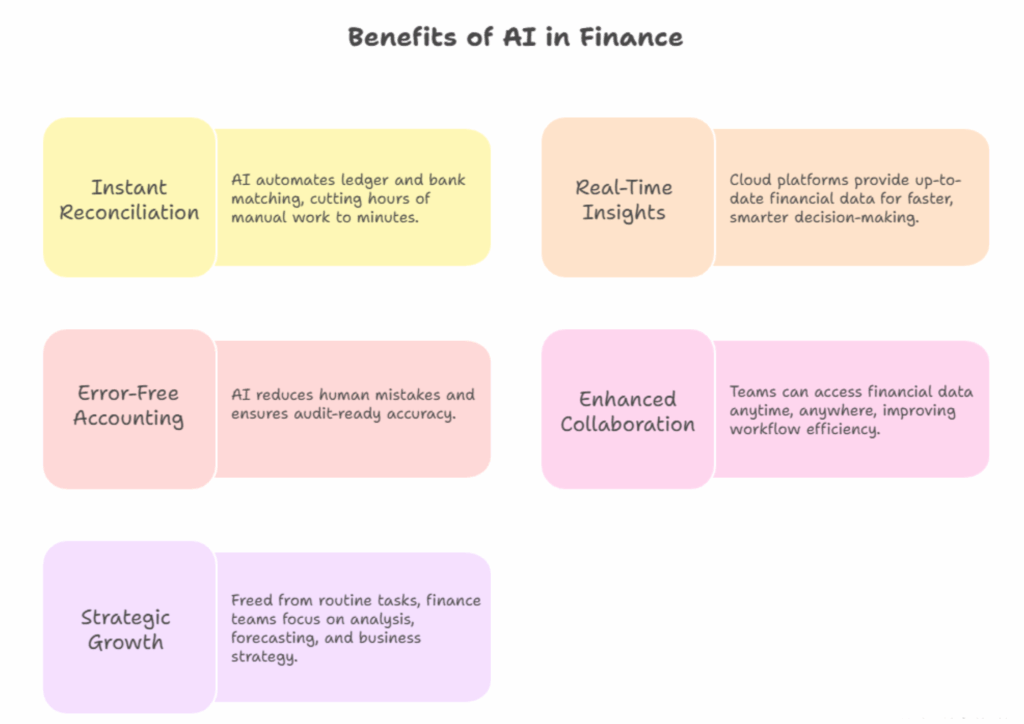
This transformation enables accountants to move beyond compliance and become true financial strategists. AI-driven platforms can now categorize transactions, detect anomalies, and generate reconciled financial statements instantly.

The basic problem (why reconciliation used to take hours)

Bank and ledger reconciliation traditionally takes time because it requires collecting bank statements and GL entries, normalizing formats, matching transactions (often one-to-many or many-to-one), finding and explaining exceptions, and posting adjustments. When humans do matching, they must read descriptions, compare amounts and dates, search invoices, and apply judgement — a process that scales linearly with transaction volume and variance in descriptions. Manual reconciliation therefore becomes a bottleneck as transaction frequency and complexity grow.

The automation recipe: five capabilities that shrink time

Modern systems combine five technical capabilities that compress the reconciliation workflow from hours to minutes:

  1. Continuous bank feeds and streaming ingestion. Bank feeds (via Plaid/Yodlee/bank APIs) push transactions automatically into the accounting environment as soon as they clear, eliminating manual statement import delays and giving the reconciliation engine live inputs. Many cloud accounting platforms (Xero, QuickBooks, NetSuite) and specialist tools rely on always-on feeds to begin matching immediately.
  2. High-accuracy data extraction (OCR + document intelligence). Tools like Hubdoc, Dext (Receipt Bank), AutoEntry and Tipalti capture invoices/receipts with OCR and AI that extracts line-items and vendor codes. Clean, structured documents make it far easier to match payments to invoices automatically.
  3. Rules engines and machine learning (ML) matching. Reconciliation platforms use deterministic rules (amount + invoice ID + reference) and probabilistic ML (fuzzy matching on vendor name, amounts within tolerance, date proximity, payment patterns). Over time ML “learns” common mappings and increases auto-match rates. Products like NetSuite’s transaction matcher, ReconArt and AutoRek emphasize automated matching engines for millions of transactions in minutes.

Exception management and workflow. Instead of scanning whole batches, humans focus only on exceptions. Platforms centralize exceptions, provide contextual documents (invoice copy, payment trail) and route tasks to the right reviewer with audit trails — drastically reducing cognitive load and resolution time. ReconArt and AutoRek both advertise fully automated exception workflows.

Impact on CPA Firms and Finance Teams

The adoption of cloud, AI, and real-time tools is transforming the role of accountants.
Instead of focusing on manual bookkeeping, CPA firms can now allocate more time to strategic advisory, budget forecasting, and risk management.US CPA firms, in particular, are leveraging tools like BlackLine, FloQast, and Vic.ai to standardize close processes, automate journal entries, and detect anomalies in financial data—improving both accuracy and turnaround time.

Key Advantages for Accounting Teams:

  • 80–90% reduction in repetitive manual tasks
  • 50% faster month-end closing cycles
  • Improved accuracy with AI-assisted reconciliation
  • Enhanced compliance through audit trails and automatic data validation

How AI Enables Instant Ledger and Bank Reconciliation

Modern AI tools use transaction pattern recognition and machine learning algorithms to automate reconciliation. Here’s how:

  • Data Fetching: The AI fetches bank feeds via APIs from multiple accounts.
  • Transaction Matching: It automatically compares every bank entry with general ledger transactions using rules learned from past data.
  • Anomaly Detection: If mismatches are found — say, a duplicate payment — the system flags it for human verification.
  • Auto-Posting: Once verified, it updates the ledger instantly, completing the reconciliation process.

Example Software in Use:

  • Xero: Uses bank feed automation and AI for smart matching.
  • QuickBooks Online: Auto-categorizes and reconciles bank transactions with AI-based pattern learning.
  • Zoho Books: Integrates with OCR and AI bots for real-time invoice verification.
  • Sage Intacct: Offers continuous audit-ready reconciliation, powered by AI and cloud analytics.
  • BlackLine: Enterprise-level automation platform that reconciles complex accounts in seconds, used by Fortune 500 companies.

The Future Outlook: Human Expertise Meets Digital Intelligence

As automation takes over routine tasks, accountants are evolving into financial data analysts and strategic partners.
The future accounting department will combine:

  • AI-driven accuracy,
  • Cloud-based collaboration, and
  • Human intelligence for judgment and ethical oversight.

This synergy will empower firms to forecast trends, identify risks early, and deliver real-time financial advice to clients.
Ultimately, the future of accounting isn’t about replacing people—it’s about enhancing their decision-making power through technology.

Realistic Example: From 3 hours to ~3 minutes

Below is a hypothetical but realistic scenario built using patterns we see in case studies.

  • A mid-sized company has one bank account and ~500 bank transactions per day, alongside ~200 invoice payments.
  • Before automation: Every day, finance team exports bank statement, imports into Excel, manually matches each bank line to ledger entries (often mismatches due to fee lines or partial payments), takes ~1.5 hours; rest of the batch waits until month-end; month-end takes additional ~5 hours to reconcile old gaps and post journal entries. Total approx 6.5-7 hours “cleaning up” each month just for that bank-ledger reconciliation.
  • After implementing: uses cloud ledger (e.g. NetSuite), connects bank feed, uses ZoneReconcile or AutoRek; defines matching rules; sets up fuzzy match and OCR supplier invoice ingestion; auto-posts standard matches; exceptions are <5% and those exceptions are surfaced to a dashboard. On a typical day, the system matches ~95-97% of bank entries automatically. The daily reconciliation (all bank lines) takes ~2-3 minutes for the system to do matching and auto-post; the human review of exceptions takes additional ~5-10 minutes. At month end, almost no backlog remains, so final cleanup takes under an hour, not several.
  • This kind of result corresponds with what Tide achieved (manual 3-4 hours → 15 minutes) and what Juni/Volt achieved with Stacks (95% automation, multiple reconciliations in a single day).

 How These Technologies Complement Each Other

Cloud, AI, and real-time reporting are not isolated innovations; they form an interconnected ecosystem that redefines the entire finance function.

  • The cloud serves as the digital infrastructure, ensuring secure, scalable access to financial data.
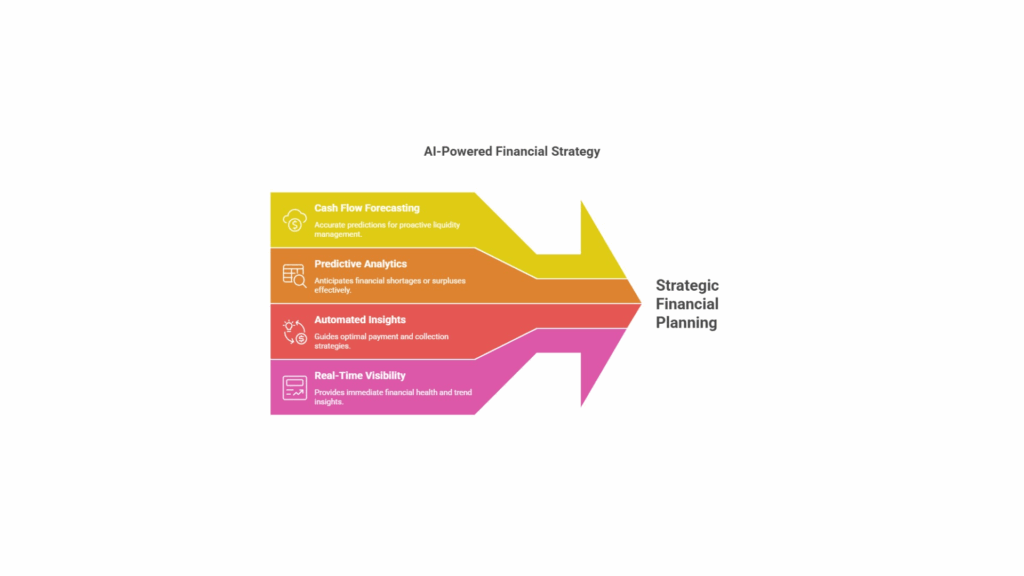
  • AI leverages that data to uncover insights, automate operations, and predict outcomes.
  • Real-time reporting delivers those insights instantly to decision-makers.

Together, these technologies create a continuous feedback loop — where data flows seamlessly, intelligence is extracted automatically, and decisions are made dynamically.

Conclusion

Cloud computing, AI, and real-time reporting are redefining the accounting profession. Businesses adopting these technologies can close books faster, detect anomalies earlier, and make data-driven decisions with confidence.
Accounting is no longer a backward-looking function—it’s the strategic nerve center of the modern enterprise.

Reference:

Cloud Accounting and AI Integration in Practice — Wiley Finance, 2022 Edition.


Read more
Difference Between Accounts Payable and Accounts Receivable

How Digital Payroll Tools and Automation Are Changing the Payroll Game

For decades, payroll meant long spreadsheets, late-night reconciliations, and endless compliance headaches. HR managers worried about accuracy, CFOs worried about costs, and employees worried about errors in their paychecks. In short, payroll was seen as a necessary burden, not as a business enabler.

Payroll Before Automation: A Manual Burden

For several decades, payroll administration constituted a highly labor-intensive operational procedure. Human resources personnel were required to maintain extensive spreadsheet databases, verify attendance documentation, and perform tax computations through manual processes. Each payroll cycle presented inherent risks including computational errors, processing delays, and regulatory compliance deficiencies. Consequently, payroll functions were perceived as burdensome administrative obligations rather than strategic, value-added organizational activities.

Payroll After Automation: A Strategic Advantage

Cloud-based digital payroll solutions, enhanced by automated technologies, have transformed payroll administration into an efficient, transparent, and regulatory-compliant operation. Through automated computational processes, dynamically updated taxation protocols, and self-managed employee service interfaces, payroll management has achieved unprecedented speed and accuracy. Organizations now recognize payroll systems as strategic organizational assets that foster stakeholder confidence, optimize operational expenditures, and maintain regulatory adherence.

Comparison: Payroll Before vs After Automation

AspectBefore Automation (Manual Payroll)After Automation (Digital Payroll)
Data ManagementSpreadsheets, paper files, prone to duplication & errorsCloud-based systems with centralized, real-time data
AccuracyHigh chance of human error in calculations & deductionsAutomated validation ensures error-free payroll
Time ConsumptionHours or days to process each cycleProcessing completed in minutes
ComplianceDependent on staff keeping up with changing lawsSystems auto-update with federal & state tax rules
Employee ExperienceEmployees relied on HR for pay slips & queriesSelf-service portals for pay slips, benefits & tax info
ScalabilityDifficult to handle when workforce growsEasily scalable for small, mid-sized, or global teams
Cost EfficiencyMore staff needed for manual checksReduced overhead through automation & streamlined processes
Reporting & InsightsLimited reporting, mostly reactiveReal-time dashboards & predictive insights

Why This Transformation Matters

Payroll is more than just paying employees on time — it affects compliance, trust, and business sustainability. Moving from manual payroll to digital automation matters most because:

  • Reduces Risk of Costly Errors
    Automated tax filing reduces errors and prevents costly fines and reputation harm.
  • Strengthens Compliance & Audit Readiness
    U.S. payroll laws are complex and change often. Automated systems maintain compliance with tax regulations, minimizing legal risks and simplifying audits.
  • Boosts Employee Satisfaction & Retention
    Employees expect timely, transparent payroll. When salaries are accurate, benefits are clear, and self-service portals are available, employees feel valued — directly improving retention.
  • Frees HR & Finance for Strategic Work
    Instead of spending hours on repetitive payroll tasks, HR and finance teams can focus on higher-value functions like workforce planning, cost optimization, and employee engagement.
  • Improves Decision-Making Through Insights
    Payroll automation offers instant analytics on labor expenses, overtime, and benefits, enabling data-driven decisions that control costs and boost profits.
  • Builds Trust With Stakeholders
    From employees to investors, accurate and transparent payroll builds confidence in the company’s governance and operational strength.

Payroll Automation Enhances Compliance

Compliance is one of the most challenging aspects of payroll management. Laws and tax codes in the U.S. frequently change, and even a small mistake can lead to significant financial penalties and reputational harm. Payroll automation ensures businesses stay ahead of these challenges by:

  • Automatic Tax Code Updates: Digital payroll systems automatically update with regulatory changes, eliminating manual tracking and reducing compliance errors for HR teams.
  • Error-Free Reporting & Filing: Automated systems create compliant tax forms, W-2s, and e-filings, reducing errors and ensuring prompt submissions.
  • Audit-Ready Documentation: All transactions and adjustments are logged for transparency. Businesses can instantly provide records when regulators request them.

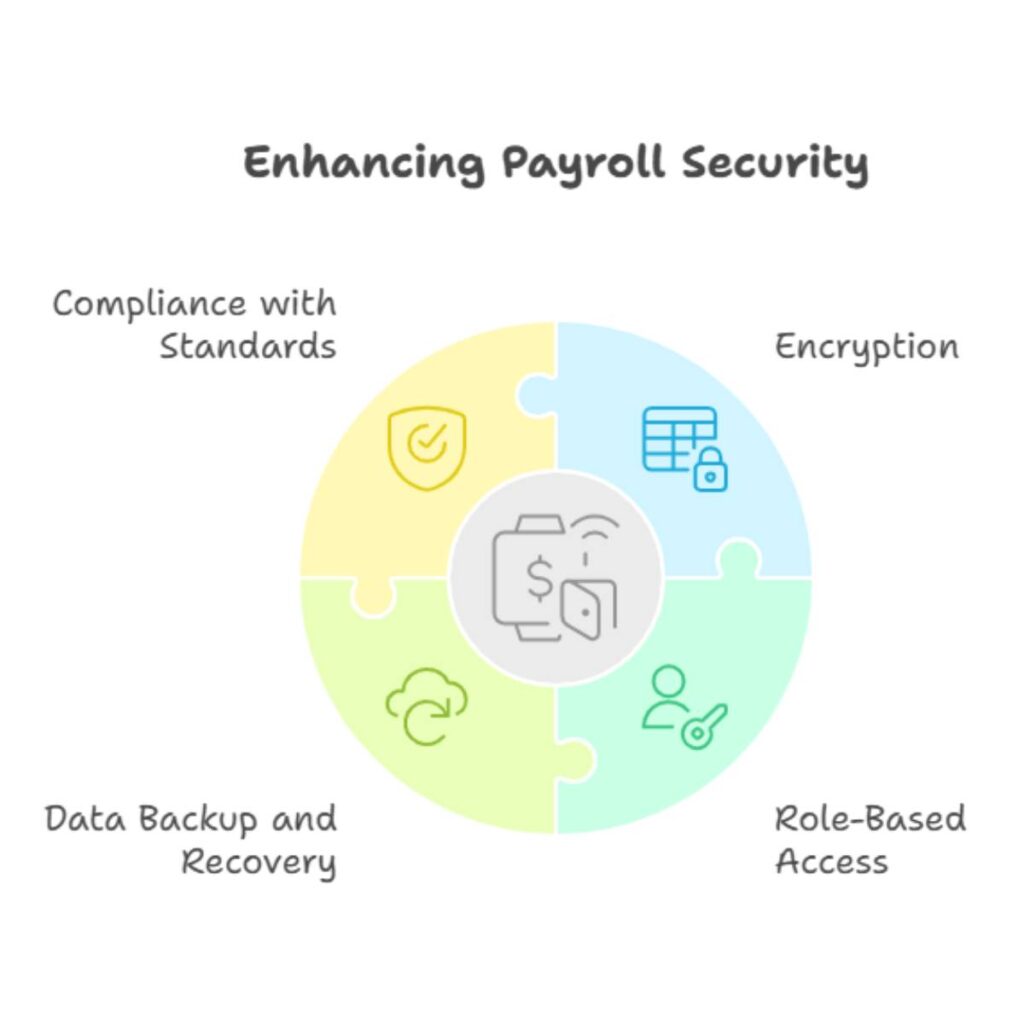
Payroll contains sensitive employee information like SSNs, tax IDs, and bank details. Manual systems risk data theft or loss. Automated payroll reduces these risks by:

  • Payroll data is encrypted during storage and transmission to prevent unauthorized access and breaches.
  • Automated systems enable role-based access, restricting sensitive data viewing to authorized personnel like payroll managers or CFOs.
  • Digital payroll systems automatically backup data and use recovery systems to prevent data loss from hardware failures or cyberattacks.
  • Leading payroll software providers comply with GDPR and SOC standards to protect employer and employee data.

The Global Payroll Challenge

In today’s interconnected economy, many companies are no longer limited to one location or even one country. Remote hiring, cross-border teams, and international expansions are now the norm. But this global workforce brings with it a new and complex payroll challenge.

Key Complexities in Global Payroll:

  • Multiple Jurisdictions
    Every nation and U.S. state has unique tax, labor, and compliance laws. Manual management raises error risks and costs.
  • Currency Fluctuations
    When employees are paid in different currencies, exchange rate volatility can create financial discrepancies and budgeting challenges.
  • Diverse Employee Benefits
    Payroll teams must track varying regional health insurance, retirement, and statutory benefit requirements for compliance.
  • Data Privacy Regulations
    Laws like GDPR in Europe and state-level privacy laws in the U.S. require payroll teams to ensure secure handling of sensitive employee data across borders.


Kariwala & Co. LLP: Enabling the Payroll Shift

At Kariwala & Co. LLP, we help U.S. businesses transition from manual payroll struggles to automated, efficient systems. Our expertise ensures:

  • Easy digital payroll setup.
  • Strict adherence to U.S. payroll regulations.
  • Secure, scalable solutions that grow with your workforce.

    With the right automation, payroll is no longer a back-office burden — it’s a driver of growth and trust.

    Resources:
    Payroll Best Practices — Steven M. Bragg

Read more

Outsourcing Accounting for Small Businesses & CPA Firms: Key Benefits and Common Mistakes to Avoid

Introduction

For both small businesses and U.S. CPA firms, managing bookkeeping and accounting in-house can be time-consuming, costly, and overwhelming. As financial operations become more complex, outsourcing accounting services has emerged as a smart, strategic solution. From reducing costs to accessing skilled professionals, outsourcing offers significant advantages. However, many firms make common mistakes when outsourcing, which can limit the benefits and create unnecessary challenges. By understanding these pitfalls and knowing how to avoid them, businesses can turn outsourcing into a powerful tool for growth.

The Hidden Pressures Small Businesses and CPA Firms Face

Small businesses face budget constraints, poor bookkeeping, and limited expertise, while U.S. CPA firms deal with talent shortages, seasonal demands, and real-time reporting needs. Both require flexible solutions for accurate finances and growth focus. Outsourcing provides essential support to address these challenges.

What Makes Outsourcing Work Successfully

Successful outsourcing requires a collaborative approach rather than simply delegating tasks. The foundation lies in establishing clear role definitions where both the company and service provider understand their specific responsibilities and expectations. Technology integration, particularly through cloud accounting tools, facilitates seamless collaboration and maintains transparency between parties. Regular communication through consistent check-ins helps prevent misunderstandings while building trust in the partnership. Additionally, ensuring compliance and confidentiality measures are in place is crucial, as a dependable outsourcing partner must safeguard sensitive financial information throughout the collaboration.

Errors That Diminish Outsourcing Effectiveness

Outsourcing can fail if approached casually. Some common missteps include:

  • Assuming One-Size-Fits-All – Every business has unique needs; generic outsourcing rarely works.
  • Insufficient Training – If processes aren’t explained upfront, errors are more likely.
  • Disregarding Cultural Fit – A mismatch in work culture or business practices can slow progress.
  • Relying on Manual Updates – Without automation, delays and errors creep into reporting.
  • Unrealistic Expectations – Poor onboarding causes disappointment when expecting quick results.

Essential Compliance and Data Security

One of the biggest fears small businesses and CPA firms have about outsourcing is data security. A reliable outsourcing partner ensures:

  • Compliance with international data protection laws.
  • Use of secure file transfer protocols and encrypted platforms.
  • Strict access controls with multi-level authentication.
  • Regular audits to ensure zero data leaks.

This emphasis on compliance not only protects the business but also builds long-term trust with clients.

Conclusion

Outsourcing accounting functions is a smart strategy for small businesses and CPA firms. It frees up resources, improves compliance, and supports growth. Success depends on choosing the right provider and avoiding common mistakes like poor onboarding and communication gaps. Partnering with established firms like Kariwala & Co. LLP transforms accounting outsourcing from a cost-saving measure into a strategic advantage that ensures financial integrity and drives business success.

Read more

Vendor Due Diligence and GST Compliance in India: How Kariwala & Company LLP Safeguards Your Business

Introduction

At Kariwala & Company LLP, we believe compliance is not a burden—it is a shield that safeguards a business’s credibility and financial strength. Our role goes beyond processing invoices and returns; we help companies build secure, transparent supplier networks where every transaction stands the test of regulatory scrutiny.

Recently, we introduced a structured compliance management framework for one of our long-standing Indian clients, Kariwala Industries Limited. The results were striking: reduced notices, smoother audits, timely Input Tax Credit availability, and a newfound sense of confidence in their vendor ecosystem. This experience has become a blueprint we now extend to other clients, including international partners.

Turning Pain Points Into Strengths, Before we stepped in, the client often faced issues such as:

  • Blocked ITC because suppliers delayed GST filings.
  • Incorrect TDS deductions due to inactive PANs.
  • Unwanted notices during annual GST reconciliations.

These challenges disrupted cash flow and created avoidable compliance risks. 

What we have Changed With Our Framework:

  • We rolled out a proactive supplier verification and monitoring process that now forms the backbone of their GST compliance.
  • Every new supplier is checked for active PAN and valid GST registration.
  • Historical GST filings are reviewed before onboarding, reducing exposure to non-compliant vendors.
  • Suppliers crossing turnover thresholds are monitored for e-invoicing obligations.
  • Monthly reconciliations ensure purchase registers match GSTR-2B, with ITC claims suspended where invoices are absent.
  • Payments are tracked against the 180-day rule, preventing reversals and interest liabilities.
  • This framework is no longer a back-office formality—it is an assurance system that protects the client every month.

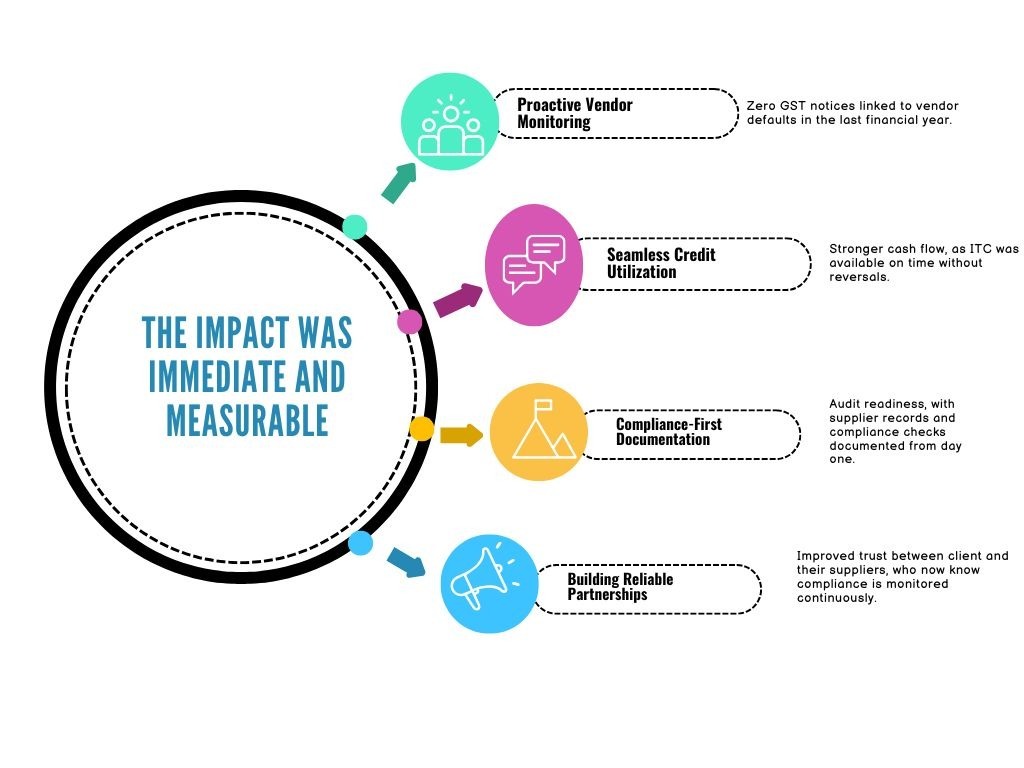
The Results Speak for Themselves:

Most importantly, the client expressed genuine relief. Instead of reacting to compliance failures after they occurred, they now operate with certainty and peace of mind.

A Model for Every Business:

  • While this success story began with an Indian client, the principle is universal:   supplier non-compliance creates real business risk, regardless of jurisdiction. Our compliance framework is adaptable for:Indian clients needing robust GST and TDS oversight.
  • US clients seek vendor diligence in areas like sales tax reporting, 1099 compliance, and reconciliation.
  • By embedding due diligence into everyday operations, we help businesses avoid penalties, protect working capital, and build stronger supplier relationships.

Conclusion

At Kariwala & Company LLP, compliance management isn’t a back-office exercise—it is a strategic advantage. By proactively safeguarding vendor compliance, we have already delivered tangible results for our client, Kariwala Industries Limited.


Read more

Converting from QuickBooks Desktop to QuickBooks Online — Without Losing Data

 Introduction

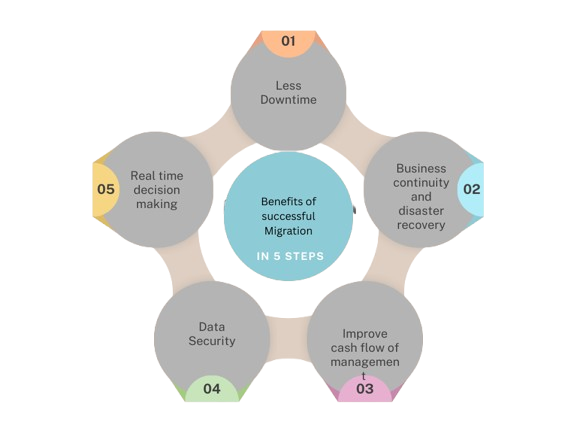
As businesses embrace a digital-first world, many are shifting from traditional desktop accounting software to cloud-based solutions that offer greater flexibility, real-time access, and improved collaboration. For U.S. businesses and CPA firms, transitioning from QuickBooks Desktop (QBD) to QuickBooks Online (QBO) is a strategic step forward. However, one major concern often arises  the risk of data loss. With careful planning and the right process, this migration can be smooth, accurate, and reliable, keeping your financial records intact.

What to Know Before You Convert

Migrating from QuickBooks Desktop to QuickBooks Online can be a smart decision, but it’s important to prepare properly. Not every feature or piece of data transfers seamlessly, so having the right expectations is key. Here are the important things to know before you move:

1. Incomplete Data Migration

  • Some details like audit trails, advanced custom reports, and recurring transactions may not fully transfer during the migration process
  • The switch from Average Cost in Desktop to FIFO in Online can create variations in your reported inventory values.


2. Maximum file capacity

  • Instead of migrating everything, you may be required to keep older data archived and shift only the last few years.

3. Feature Differences

  • QuickBooks Desktop offers advanced reporting, specialized industry editions, and robust job costing features that QuickBooks Online may not completely match.
  • QuickBooks Online, on the other hand, offers automation, real-time access, and integrations that Desktop lacks.

4. Securing your data through regular backups

  • Make sure to back up your Desktop data first to avoid any risk of data loss during migration
  • This ensures you can access historical data if needed in the future.

QuickBooks Desktop vs QuickBooks Online: Extended Comparison

FeatureQuickBooks DesktopQuickBooks Online
AccessInstalled on one computer; remote access needs hostingCloud-based, accessible anywhere via web or mobile app
ReportingStrong custom reporting with advanced featuresGood standard reports, fewer customization options
AutomationLimited automation (manual data entry, reminders)Automatic bank feeds, invoicing, bill pay, reminders
Inventory TrackingAverage Cost method onlyFIFO method (may impact valuations during migration)
PayrollDesktop payroll add-on; updates require downloadsFully cloud-based payroll with automatic tax updates
IntegrationsFewer integrations, mostly desktop appsHundreds of third-party app integrations (CRM, eCommerce, etc.)
Cost StructureOne-time license or annual renewalMonthly subscription, scalable by plan


Future-Proof Your Business with QuickBooks Online

Conclusion:

QuickBooks Online empowers you with anywhere access, real-time collaboration, and simplified processes that let you focus more on growth and less on administration. The key is ensuring your migration is handled with care.

If you’d rather not deal with the technical details, our team at Kariwala & Co. LLP is here to help. We specialize in QuickBooks migrations, ensuring accuracy, security, and peace of mind at every step. Let us take the complexity off your plate  so you can enjoy the benefits of QuickBooks Online without the stress.


Read more

Why Payroll Accuracy Matters for Every Business

When it comes to running a business, few things are as important as paying employees correctly and on time. Payroll accuracy goes beyond numbers — it’s about building trust, staying compliant, and ensuring the overall health of your organization.

Yet, many businesses struggle with payroll errors that cost money, time, and employee goodwill. Here’s why payroll accuracy should be a top priority — and how outsourcing can make the process seamless.

Why Payroll Accuracy is Essential

Builds Employee Trust and Morale

Payday is personal. When employees consistently receive accurate and timely paychecks, it fosters trust and loyalty. Mistakes or delays, on the other hand, can harm morale and even lead to turnover.

Ensures Compliance with Laws

Payroll errors can result in serious legal and financial consequences. Issues like failing to pay minimum wage, misclassifying employees, or incorrect tax withholdings may lead to fines, penalties, or audits.

Saves Money and Time

Fixing payroll mistakes takes valuable resources and may result in overpayments that are difficult to recover. Ensuring accuracy from the start helps businesses avoid unnecessary costs and administrative burdens.

How Outsourcing Payroll Ensures Accuracy

Partnering with experienced professionals helps reduce risk and streamline payroll. At Kariwala & Co. LLP, we support U.S.-based companies by offering:

  • Experienced Payroll Specialists – Our team keeps pace with evolving U.S. federal and state payroll laws.
  • Advanced Payroll Software – Trusted tools minimize human error and improve accuracy.
  • Regular Audits – Payroll reports and tax filings are reviewed for discrepancies before they become problems.
  • Confidentiality & Security – Employee data is protected with strict confidentiality protocols.

Benefits for U.S.-Based Companies

Outsourcing payroll with Kariwala & Co. LLP provides:

  • Peace of mind that employees are paid correctly and on time.
  • Compliance with ever-changing federal and state laws.
  • More time for leadership to focus on business growth.
  • Cost savings compared to managing payroll in-house.

Conclusion

Payroll accuracy is not an option — it’s a necessity. It strengthens employee trust, ensures compliance, and keeps operations running smoothly.

With Kariwala & Co. LLP as your payroll outsourcing partner, you can rest easy knowing your payroll is in expert hands — allowing you to focus on growth while we handle the calculations.


Read more

Understanding Fundamental Accounting: The Core of Sound Financial Decision-Making

Financial statements are not just numbers—they’re a language. A language that communicates the financial health, stability, and future potential of a business. To speak this language effectively, one must understand the foundational principles that govern financial reporting.

Whether you’re a startup founder, a manager at a growing enterprise, or a CPA advising clients, these fundamental concepts form the bedrock of all financial decision-making.

Why Financial Reporting Matters

Financial statements are prepared according to established guidelines to ensure consistency, transparency, and comparability. As outlined by the Financial Accounting Standards Board (FASB) in its Statement of Financial Accounting Concepts No. 1, the main objective of financial reporting is:

“To provide information that helps existing and potential investors, creditors, and other users assess the amounts, timing, and uncertainty of prospective net cash inflows to the enterprise.”

Core Accounting Concepts

To prepare financial statements accurately, certain key accounting principles must be followed:

ConceptExplanation
Going ConcernAssumes the business will continue operating for the foreseeable future.
Accruals & MatchingRevenues and related expenses should be recorded in the same accounting period.
PrudenceWhen in doubt, understate rather than overstate profits or asset values.
ConsistencySimilar items must be treated consistently across periods.
Entity ConceptThe business is distinct from its owners or stakeholders.
Money MeasurementOnly transactions measurable in monetary terms are recorded.
Separate ValuationEach asset or liability must be valued individually.
MaterialityOnly items significant enough to influence decisions are considered.
Historical CostTransactions are recorded at their original cost.
RealizationRevenue is recorded only when it is earned or realized.
DualityEvery transaction has two equal and opposite effects (debit and credit).

Components of Fundamental Accounting

At Kariwala & Co. LLP, we view fundamental accounting as more than just record-keeping—it’s a powerful tool that enables clarity and confidence in business decisions.

ComponentDescription
Double-Entry SystemEvery transaction affects two accounts, ensuring books stay balanced.
Journal EntriesRecords all day-to-day transactions in chronological order.
Ledger AccountsGroups transactions under specific categories like Sales, Cash, Expenses, etc.
Trial BalanceA summary to verify that total debits equal total credits.
Financial StatementsIncludes the Balance Sheet, Income Statement, and Cash Flow Statement.
ReconciliationEnsures internal records match external sources like bank statements.

Why It Matters: Different Stakeholder Perspectives

For Business Owners & Managers

  • Make informed strategic decisions
  • Monitor profitability and growth
  • Maintain control over budgets

    Insight: A clear understanding of your numbers reduces surprises and builds investor trust.

For Investors & Financial Institutions

  • Evaluate financial health before investing or lending
  • Assess risk and return
  • Demand transparency and consistency

    Insight: Sound accounting attracts funding and strengthens relationships with banks and VCs.

For Government & Regulators

  • Ensure tax compliance
  • Adhere to GAAP or IFRS standards
  • Create auditable financial trails

    Insight: Accurate reporting avoids fines and legal complications.

Conclusion: Accounting is More Than Compliance

Fundamental accounting isn’t just a regulatory requirement—it’s a strategic advantage. When done right, it empowers business leaders, satisfies stakeholders, and secures the financial future of your enterprise.
At Kariwala & Co. LLP, we help U.S.-based CPA firms and their clients stay grounded in these principles—ensuring accuracy, clarity, and confidence every step of the way.
Let your books tell a story you can stand behind.


Have questions about implementing these principles in your business? Contact our team to learn more about how Kariwala LLP supports your accounting journey.

Read more

USES OF FINANCIAL REPORTS

Financial reports are essential tools used by various stakeholders to understand, assess, and make decisions related to the business. Whether it’s internal planning or external evaluation, these reports are the foundation of sound financial judgment.

For Owners and Managers

Business owners and management teams use financial reports to make key decisions that affect the future of the company. These decisions may include investments, cost optimization, expansion, or risk management.

Why it matters:

A detailed financial analysis—based on income statements, balance sheets, and cash flow statements—offers insights into profitability, liquidity, and operational efficiency.

For Employees and Labor Unions

Employees and labor unions refer to financial statements during discussions related to:

  • Salary negotiations
  • Promotions and performance rankings
  • Collective bargaining agreements

Why it matters:

A financially healthy organization ensures job security, growth opportunities, and fair compensation practices.

For Investors and Shareholders

Potential and existing investors rely on financial statements to evaluate:

  • Business performance
  • Return on investment
  • Long-term sustainability

Why it matters:

Professionally conducted financial analyses give investors the confidence to invest or stay invested.

For Vendors and Creditors

Suppliers and lenders assess a business’s financial standing before extending credit or approving loans.

Why it matters:

Reports like the balance sheet help them gauge whether the business can meet its debt obligations.

For Government and Regulatory Bodies

Government agencies require financial statements from businesses to ensure:

  • Tax compliance
  • Legal accountability
  • Industry oversight

In addition, governments generate their own financial reports to demonstrate responsible use of public funds.

Note: The format and rules for preparing financial reports vary between for-profit, non-profit, and government sectors. This blog focuses on for-profit business use cases.

At a Glance: Who Uses Financial Reports and Why

StakeholderPurpose of UseKey Reports Referred
Owners & ManagersStrategic decisions, growth planningProfit & Loss, Cash Flow, Balance Sheet
Employees/UnionsSalary discussions, promotion assessmentsIncome Statement, Company Budget
InvestorsRisk evaluation, ROI analysisAnnual Report, Financial Ratios
Vendors/CreditorsCreditworthiness checksBalance Sheet, Accounts Payable
GovernmentCompliance, tax reporting, transparencyFinancial Statements, Audit Reports

Conclusion

At Kariwala & Co. LLP, we believe financial transparency isn’t just about numbers—it’s about building trust, ensuring accountability, and driving informed decisions across every level of business.

Whether you’re an employee, partner, or stakeholder, we welcome conversations backed by data and guided by ethics.

Read more
Difference Between Accounts Payable and Accounts Receivable

Understanding the Difference Between Accounts Payable and Accounts Receivable

In the world of accounting, two critical pillars of financial health are Accounts Payable (AP) and Accounts Receivable (AR). Whether you’re running a small business or managing the finances of a multinational company, mastering these two areas is essential for maintaining a healthy cash flow. At Kariwala & Co. LLP, we specialize in helping CPA firms streamline both AP and AR processes — ensuring accuracy, transparency, and peace of mind for their clients.

What Is Accounts Payable (AP)?

Accounts Payable refers to the outstanding bills your business needs to pay. These are the amounts you owe to vendors or suppliers for goods and services already received. Think of it as the list of obligations waiting to be settled.

Key Functions of Accounts Payable:

  • Recording vendor invoices
  • Verifying invoice accuracy
  • Managing due dates to avoid late fees
  • Maintaining strong supplier relationships through timely payments

Why It Matters:

Delays in managing payables can damage supplier relationships and may lead to operational disruptions. A well-managed AP system ensures your business remains trustworthy and creditworthy in the market.

What Is Accounts Receivable (AR)?

Accounts Receivable is the money owed to your business by customers. It reflects all the sales you’ve made on credit and are yet to collect payment for.

Key Functions of Accounts Receivable:

  • Issuing invoices for delivered goods or completed services
  • Tracking payments and follow-ups
  • Managing credit terms
  • Forecasting incoming cash

Why It Matters:

Neglecting receivables can starve your business of cash. A streamlined AR process ensures that revenue turns into actual cash in the bank, fueling growth and daily operations.

AP vs. AR: A Quick Comparison

CategoryAccounts Payable (AP)Accounts Receivable (AR)
DefinitionMoney your business owesMoney your business is owed
InvolvesVendors, suppliersCustomers, clients
Appears asLiability on the balance sheetAsset on the balance sheet
GoalPay bills on timeCollect payments promptly
Impact on cash flowOutflow of fundsInflow of funds

Why It’s Crucial for CPA Firms

CPA firms managing clients’ financials need to balance both AP and AR with precision. A delay in either can trigger cascading effects, from late fees to stalled operations or missed growth opportunities.

At Kariwala & Co. LLP, we support CPA firms by:

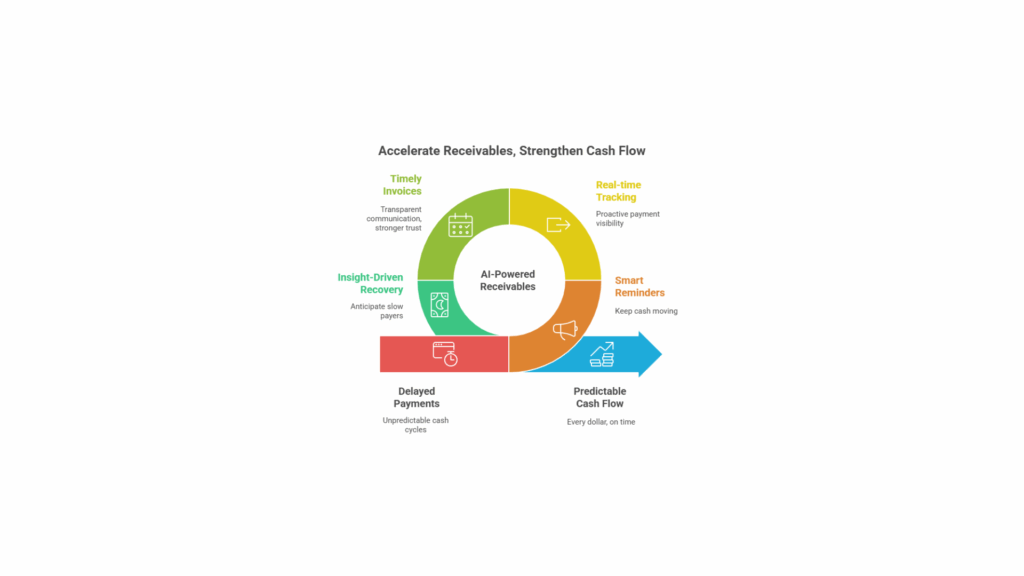
  • Creating real-time dashboards for AP/AR visibility
  • Automating reminders for due and overdue invoices
  • Ensuring proper documentation and compliance
  • Enhancing accuracy in bookkeeping and reconciliation

Conclusion: Control Your Cash Flow with Confidence

Managing Accounts Payable and Accounts Receivable is more than just routine accounting — it’s the foundation of financial stability. With the right support, businesses can maintain healthy cash flow, strong supplier and customer relationships, and a clear path to growth.

💼 Looking for a reliable back-office partner for AP and AR management?
Contact Kariwala & Co. LLP today — and help your clients stay in control of their cash, always.

Read more

EU VAT CHANGES FOR 2015

There are two new directives, first for the fast reaction mechanism aimed towards preventing VAT fraud. Second one is for the optional and temporary application of the reverse charge mechanism in relation to supplies of certain goods and services. Quick Reaction mechanism provides the legal basis to the countries that are members of the EU to integrate an emergency measure in they are in position to serious case of sudden and massive VAT fraud.

Read more

ACCOUNTING 1 ON 1

Financial statements are prepared according to agreed upon guidelines. In order to understand these guidelines, it helps to understand the objectives of financial reporting. The objectives of financial reporting, as discussed in the Financial Accounting standards Board (FASB) Statement of Financial Accounting Concepts No. 1, are to provide information that

Read more

PROPER INVOICE INFO

Financial statements are prepared according to agreed upon guidelines. In order to understand these guidelines, it helps to understand the objectives of financial reporting. The objectives of financial reporting, as discussed in the Financial Accounting standards Board (FASB) Statement of Financial Accounting Concepts No. 1, are to provide information that

Read more